


New members appointed to the Ministerial Advisory Council on Disability
The Minister for Disability Services appointed five new members to the Ministerial Advisory Council on Disability on 11 September 2026, strengthening the Council's collective expertise and lived experience.
Established under the Disability Services Act 1993, the Council provides independent advice to the Minister on issues affecting people with disability, their families and carers, and plays a key role in ensuring the voices of people with disability are heard and included in government decision-making.
The Council advises on ways to improve inclusion, accessibility and participation for people with disability, supports the delivery of the WA Government’s ‘A Western Australia for Everyone: State Disability Strategy 2020-2030’ and strives to reflect the diversity of the disability community.
Members are remunerated for their participation as members of the Council.
For further information about the Council and its work, please contact the Governance and Coordination Team in the Office of the Deputy Director General Disability at DisabilityGovernanceAndCoordination@communities.wa.gov.au
Council membership
Miss Ellie Moir
Chairperson 26.01.2026 to present
Member 28.01.2025 to 26.01.2026
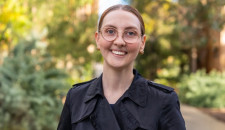
Miss Ellie Moir is a Nyoongar woman born in Esperance on Wadjuri Country, with family connections to Minang Noongar Country in the Great Southern of Western Australia.
Ellie's commitment to disability advocacy is grounded in both lived and professional experience. From the age of 12, she and her sister became primary carers for their mother following the onset of disability. At 17, Ellie was diagnosed with Ehlers-Danlos syndrome, giving her personal experience navigating complex health and disability systems as both a carer and a person with disability. These experiences shaped her commitment to improving disability policy, service delivery and equitable access to support, particularly for Aboriginal people and those living in regional and remote communities.
Ellie is a registered Social Worker with a Bachelor of Science (Psychology) and a Master of Social Work. She is currently undertaking a PhD exploring Aboriginal connection to Country as a culturally grounded approach to health and wellbeing.
Professionally, Ellie has worked across disability services, social work, research, policy and higher education. Her experience includes therapeutic and case management roles, NDIS support coordination, project management, healthcare research, university teaching and curriculum development. She has led Aboriginal consultation and co-design projects, contributed to policy and service reform, and worked collaboratively with Aboriginal communities, government and community organisations to improve culturally safe and inclusive systems.
Ellie is passionate about advancing Aboriginal self-determination, disability rights, community-led decision making and culturally responsive practice. She brings expertise in stakeholder engagement, policy development, participatory research, governance and strategic project delivery, alongside a strong commitment to ensuring that the voices of Aboriginal people and people with disability shape the policies and services that affect their lives.
Mrs Apollonia (Nia) Parker
Deputy Chairperson 07.06.2025 to present
Member 06.10.2023 to 07.06.2025
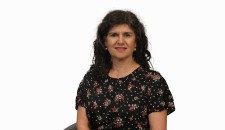
Nia is the mother of an adult child with Down Syndrome and the Chair of the Board of Management of Down Syndrome WA. Through this experience and connection, she has developed consumer and provider knowledge of the National Disability Insurance Scheme (NDIS) and a thorough understanding of the roles and responsibilities of the different jurisdictions to provide for people with disability, including those who are not eligible for the NDIS.
As a physiotherapist with more than 30 years’ experience working in rural and regional areas of Western Australia in both private and government sectors, Nia has a deep understanding of the difficulties faced by people living with a disability outside the metropolitan area to access health care, therapy, play, other social groups, appropriate education and housing, and respite for carers (as just a few examples).
Nia founded RockAbility, a networking group for young adults with an intellectual disability, and their families, to provide increased social opportunities and support within the Rockingham area. She has a special passion for inclusion of people with an intellectual disability, particularly in the areas of open employment and social connection.
Mrs Barbara van Reyk
Member 06.10.2023 to present
Barbara is a retired Solicitor who completed 25 years of service with the State Solicitor’s Office in Western Australia. Prior to that position she was a legal officer with the Department of Corrections. She advised on issues relating to offenders with a disability who were going through the criminal justice system at all stages, from police involvement to conviction, incarceration and release on parole.
As a community member on the Prisoners Review Board, Barbara used her experience with offenders with a disability to make a valuable contribution to the matters for determination by the Board.
Through these experiences Barbara became aware of the serious disadvantages suffered by those with a disability both physical and intellectual. She was inspired to advocate for change and improved services for this vulnerable group.
In 2004, Barbara was appointed as an advocate for a mature aged woman who lived with intellectual and physical disability. It was through this experience that she discovered the challenges faced by people with disability in all aspects of their lives. Barbara got to know other residents where her friend lived, and assisted them, wherever possible, earning Barbara the 2007 Dick Porter Award for outstanding contribution to the organisation.
Ms Nicole (Nick) Avery
Member
28.01.2025 to present
Ms Nick Avery is the Chief Executive Officer of South West Autism Network (SWAN), a Disabled Persons Organisation in regional Western Australia, a role she has held for 16 years, leading strategic initiatives to support people with disabilities and their families, particularly in regional and remote areas.
Nick has successfully developed, managed, and delivered a range of programs and services, including the Regional Toolkit, JumpStart, AutStars and the Youth Engaging Successfully (YES) program. These initiatives focus on building capacity, inclusion, and self-management skills among individuals with disabilities.
Nick’s systemic advocacy work spans multiple levels of government, having provided evidence at numerous Commonwealth and State Government Inquiries. She actively engages in policy consultation processes and serves on key Forums and Working Groups. Currently, she is a contracted representative for Every Australian Counts (EAC) to the National Disability Insurance Agency (NDIA) and the Department of Social Services (DSS), focusing on NDIS reforms and codesign. She co-chairs the Participant Pathway Experience Working Group with the NDIA, and is a member of the Rural and Remote Advisory Group (RRAG), advising the NDIA on issues affecting people with disability in rural and remote communities. Nick is also co-chair of the Self Manager Hub, the peak national organisation representing people self-managing and self-directing disability supports.
Nick’s practical experience in governance, stakeholder engagement, and systemic change aligns with MACD’s mandate to advise on policies affecting people with disabilities.
Miss Rachael Burns
Member 28.01.2025 to present
Miss Rachael Burns (she/her) is a Lived/Living Experience advocate working across youth, mental health, psychosocial disability and broader disability systems. Her work is grounded in intersectionality, recognising the complex ways experiences of distress, disability, identity and social disadvantage interact to shape people’s lives and access to support.
Rachael contributes across multiple councils, committees, peer spaces, research projects and community initiatives, bringing a nuanced understanding of psychosocial disability, neurodivergence and invisible disability. She draws from both her own expertise and the diverse communities she works alongside to inform policy, practice and governance.
Rachel is the CEO and Founder of Integrity Initiative, a grassroots lived experience led charity cultivating autonomy, dignity and human rights in mental health conversations and care. Integrity Initiative delivers custom care packages, peer led workshops, community building initiatives and advocacy projects designed to strengthen agency, connection and cultural safety.
Rachael brings a strong commitment to human centred, rights based, and intersectional practice to the MACD, ensuring lived experience expertise is embedded meaningfully and respectfully.
Mrs Kristine Schroder
Member 28.01.2025 to present
Kristine lives in WA’s South West and holds a Bachelor of Education, Primary majoring in Special Needs. Throughout her 24 years in education, she has dedicated her career to driving and developing inclusive practices for students with disability. Kristine has a particular passion for developing transition programs that support students with complex needs to finish school and become active members of their community.
For the past four years, Kristine has been Principal at College Row School in Bunbury, a school for students with complex cognitive, medical, behavioural and/or communication needs. She has worked closely with the school council to develop practices that rely on close connections with the Bunbury community.
College Row School has partnerships with more than 70 allied therapist agencies and support workers who come to the school and work alongside staff to get best outcomes for students. They have developed a connected community that supports one another to reflect and plan to provide best outcomes for students and staff.
As students graduate from the school, the agencies supporting them post school are part of the community that has developed.
Mr Siljan Stojkovski
Member 28.01.2025 to present

Mr Siljan Stojkovski has never allowed his disability to define or restrict him from achieving goals he sets for himself. Born with Cerebral Palsy, he graduated from high school with high academic results and went on to gain a university degree, with Second Class Honours, in Applied Science that led to his career in Construction. He overcame many obstacles and attitudes to progress in his career to his current role as Project Director.
Siljan believes his knowledge of construction, project management and contract management, coupled with his years of interactions with private business and government departments, has shaped his unique perspective on tension points and opportunities for process and systemic improvements for people with disability.
As a participant of the NDIS, Siljan has a greater understanding of the purpose, benefits, challenges and frustrations faced by many people with disability, their families and carers. Siljan is a voice for people who have a disability while he strives to be part of the community with no bias, judgement or preconceived views on what an individual person can achieve.
Mrs Hannah McPierzie
Member 11.09.2026 to present
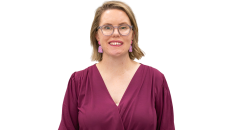
Hannah McPierzie is a deafblind educator, disability advocate and community leader committed to ensuring people with disability have a genuine voice in decisions that affect their lives. Her lived experience informs her understanding of the barriers people with disability face when accessing services and participating in their communities.
Hannah is a Lecturer in Inclusive Medical Education at the University of Western Australia, where she brings the perspectives of people with disability into the education of future health professionals. She is passionate about improving healthcare and communication access, and helping practitioners understand how systems, communication barriers and attitudes can shape a person’s experience of care.
Hannah also works as an educator in the Deafblind Services team at SensesWA. She is Chairperson of DeafBlind West Australians and Vice-Chair of Deafness Forum Australia, advocating for the rights and inclusion of people who are deaf, hard of hearing or deafblind.
Hannah is passionate about the strength of intersectionality and recognises that disability is one part of a person’s identity and experience. She believes that understanding how disability intersects with other aspects of identity and circumstance is essential to creating fair and inclusive policies and services. She brings lived and professional expertise to the Council, grounded in community, collaboration and meaningful change.
Ms Emily Sullivan
Member 11.09.2026 to present
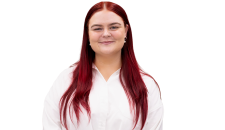
Emily Sullivan is a dedicated advocate, consultant and facilitator who is passionate about championing lived experience and intersectional approaches to her advocacy. She has worked to deliver capacity-building programs, co-design initiatives and a mass communications campaign with the aim of creating a more inclusive world for young people with disability.
Emily currently works at the Youth Disability Advocacy Network (YDAN) as the Project Coordinator for the Neurodivergent LGBTQIA+ Youth Community Leadership Program, and works with young people in developing their skills in leadership, advocacy and independence.
Emily uses her personal lived experience of disability to assist organisations to provide opportunities, remove barriers and contribute meaningfully to making positive change. She has represented herself across multiple advisory groups across the intersections of the youth sector, disability, mental health and the arts. Emily is passionate about working with the disability community to co-design solutions in line with the principle of ‘Nothing About Us, Without Us’, which strongly guides both her professional and volunteering work.
Emily’s degree in Political Science and International Relations has strengthened her understanding of systemic barriers faced by marginalised communities and has motivated her commitment to shape empowering policies and programs.
Mr Aaron Green
Member 11.09.2026 to present

Aaron is a disability inclusion advocate, communications professional, and strategic leader whose work is shaped by both lived experience and professional practice.
Following a stroke that resulted in an acquired brain injury and mobility disability, Aaron has developed a strong commitment to advancing accessibility, inclusion, and equity across education, employment, and community life. He approaches disability through a human rights and social model lens, recognising that people are disabled by barriers within environments, systems, and attitudes rather than by impairment itself.
As Strategic Project Coordinator for Disability, Neurodiversity and Chronic Illness, in Murdoch University’s Office of the Pro Vice Chancellor Equity, Diversity and Inclusion, Aaron leads initiatives that strengthen access and inclusion across the institution. His work includes chairing Murdoch University’s Chronic Illness, Neurodiversity and Disability Advisory Group and leading the development of the University’s 2026-2030 Disability Access and Inclusion Plan. He works closely with senior leaders, governance bodies, staff, and students to identify and remove systemic barriers to participation and achievement.
Aaron previously served as Marketing, Communications and Special Projects Officer with Murdoch Active, where he chaired the University’s Disability and Neurodiversity Advisory Group, developed community partnerships, led accessibility-focused initiatives, and helped Murdoch achieve Gold Standard accreditation under the International University Sports Federation Healthy Campus program.
A First-Class Honours graduate in Strategic Communications, Aaron’s research explored how Western Australians experience stroke information and communication delivery. Aaron will also commence a PhD in 2027, interrogating the implementation gap between access and inclusion policy intent and the lived outcomes in Australian education, employment, social, and government spaces.
Aaron also serves on the Board of Directors for People With Disabilities WA. Across all his work, he is committed to achieving practical, systemic change that reduces barriers and creates greater opportunities for people with disability to participate fully in education, employment, and public life.
Miss Tania Woods
Member 11.09.2026 to present
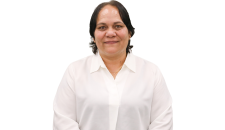
Tania Woods is a proud Noongar Goreng and Wajarri woman, dedicated advocate, and respected leader with extensive experience across Aboriginal health, disability, mental health, community services, and workforce development.
Tania’s work is grounded in a deep commitment to improving health outcomes, social and emotional wellbeing, and equitable access to services for Aboriginal and Torres Strait Islander peoples, particularly those living in regional and remote communities across Western Australia.
Throughout her career, Tania has held senior leadership, education, and coordination roles across the Kimberley, Goldfields, and Great Southern regions, including positions with WA Country Health Service, Wanslea Family Services, Anglicare WA, Bega Garnbirringu Health Service, and Marr Mooditj Training.
Tania brings both professional expertise and lived experience to her advocacy. As the primary carer for her son, who lives with hydrocephalus and cerebral palsy, she has developed a profound understanding of disability, service navigation, and the challenges faced by families seeking support. This experience has strengthened her passion for disability rights and her extensive work assisting Aboriginal people to access the NDIS, coordinate supports, and overcome systemic barriers.
Ms Drisana Levitzke-Gray
Member 11.09.2026 to present
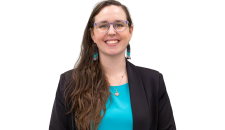
Drisana Levitzke-Gray is a Deaf advocate, educator, interpreter, and community leader with lifelong lived experience of Deafness. Raised in a bilingual environment with Auslan as a first language and English as a second language, Drisana brings a deep understanding of disability as a social, cultural, and systemic experience. Her advocacy is grounded in the principle of “nothing about us without us,” ensuring Deaf and disabled people are central to decision-making, service design, and policy development.
Drisana comes from a proud multi-generational Deaf family. Her parents, husband, and daughter are all Deaf, and her daughter represents the sixth generation of Deaf women in the family. This personal connection, combined with extensive professional and volunteer experience, has shaped Drisana’s lifelong commitment to advancing accessibility, language rights, inclusion, and equity.
Professionally, Drisana works across interpreting, training, public speaking, consulting, and community leadership roles. She is fluent in Auslan, English, American Sign Language (ASL), and International Sign, and collaborates widely with government agencies, educational institutions, health services, local governments, and community organisations to improve communication access and inclusive practices. Her advocacy has contributed to initiatives ranging from Auslan Storytime programs and family support pathways to national policy discussions surrounding disability rights and communication access.
Recipient of the 2015 Young Australian of the Year Award and an active contributor to local, national, and international Deaf communities, Drisana continues to champion systemic change that improves outcomes for Deaf and disabled people. She brings to MACD a strong commitment to authentic representation, community-led decision-making, and creating a more accessible and inclusive society for all.
