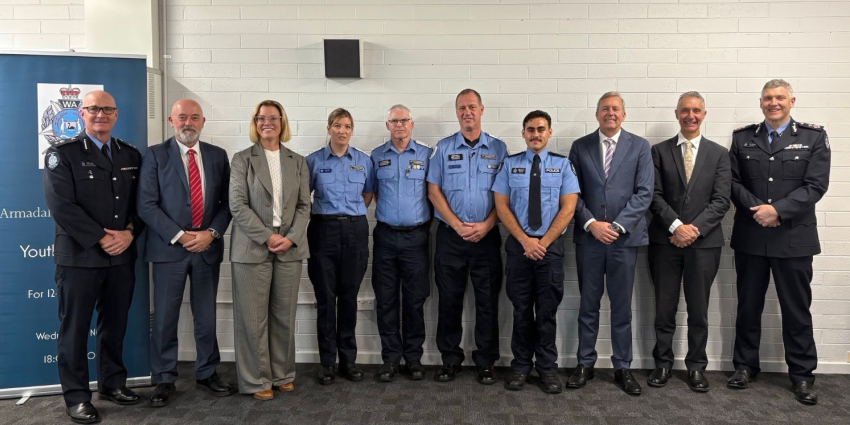
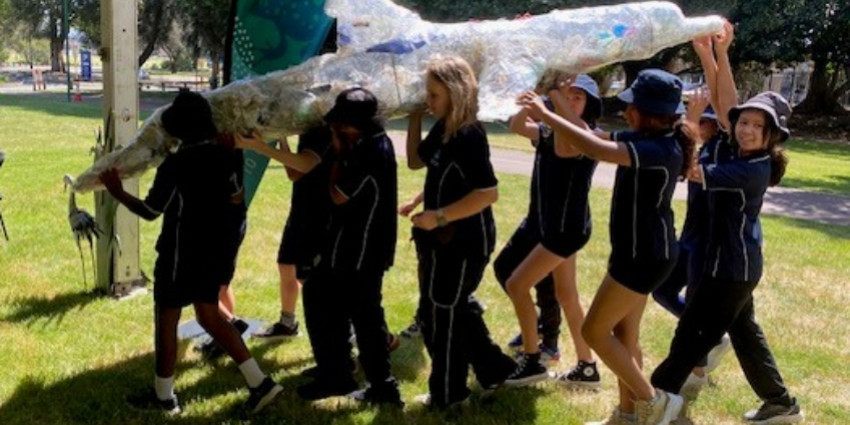
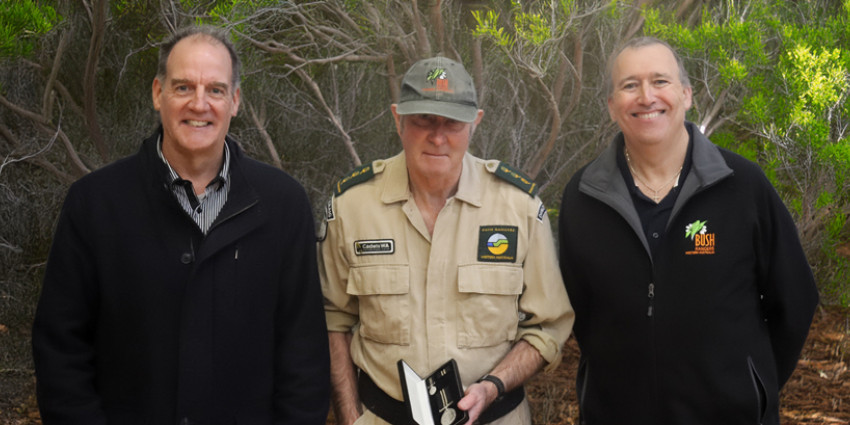
More than 9,000 young people participate in nearly 180 cadet units throughout the State and involve around 1,100 volunteer instructors. Cadets participate in a range of activities that develop leadership and life skills, and a sense of community responsibility and service. Primary and Secondary school students taking part in Cadets WA will typically be exposed to situations they may find challenging, including first aid training, camping, hiking, and host specific activities, all providing the opportunity to develop their leadership potential.
Resources
- Information for parents (Word, 227KB)
- Information for home-schooled students (Word, 154KB)
- Schools interested in joining Cadets WA FAQs (Word, 157KB)
- Host organisations can download our Cadets WA brochure (PDF, 1.89 MB)
Cadet Units in WA interactive map
This interactive map displays unit locations, schools, and contact details. Click the "View larger map" icon in the top right corner to open a full-screen version.
Setting up a cadet unit
A school or approved organisation can participate in Cadets WA by:
- becoming a host
- providing facilities for use by the cadet unit
- administering funds paid by Communities for use by the cadet unit
- promoting and encouraging students and young people to participate in cadet training.
Schools and approved organisations that would like to host a cadet unit must complete and submit a Cadet Unit Application Form:
Adults who may wish to participate in the Cadets WA program include:
- teachers
- members of community organisations
- parents or other members of the community
- ex-service personnel
- specialist personnel
- people who provide support on a continuing or as required basis
Instructor requirements
To become an instructor in a cadet unit, the following conditions apply:
- completion of an Instructor Application Form
- submission of a National Police Clearance Certificate and Working with Children Check
- confirmation of suitability by the cadet unit or school senior delegated authority.
Role of the unit leader
The role of the unit leader in a cadet unit is to:
- liaise with the school and wider community
- allocate training to comply with the unit's training program priorities
- plan activities
- oversee the cadet unit, and
- provide instruction to cadets and adult leaders/instructors.
Cadet Units in WA
Click on the tiles below to learn more about each cadet program.